The Kimono in Traditional Japanese Dance (Nihon Buyō): A Kyoto Experience

When people think of Kyoto, they often picture temples, shrines, cherry blossoms, and of course, the elegant kimono. Yet, one of the most captivating cultural expressions where the kimono takes center stage is in nihon buyō (日本舞踊), the art of traditional Japanese dance.
In this article, we'll explore the deep connection between the kimono and nihon buyō, the history of the dance, how the kimono enhances its elegance, and how you can experience wearing a kimono yourself in Kyoto—the cultural capital of Japan.
👉 If you want to live this tradition personally, you can rent an authentic kimono here: Kimono Rental in Kyoto.
What is Nihon Buyō?

Nihon buyō, literally meaning "Japanese dance", is a classical performance art that combines:
- Kabuki theater movements
- Noh drama traditions
- Folk dance elements
It is both graceful and symbolic, often telling stories of love, nature, or historical events. Performed on stage, nihon buyō has been preserved for centuries as a cultural treasure.
Unlike modern dance, every gesture is highly stylized. From the tilt of the head to the positioning of the hands, each movement carries meaning. And the kimono is not just clothing—it is an essential tool of expression.
The Kimono's Role in Nihon Buyō

The kimono is inseparable from nihon buyō. Here's why:
Visual Elegance:
The flowing sleeves (called furisode in certain styles) accentuate arm movements, creating visual poetry.
Symbolism in Colors and Patterns:
- A red kimono may represent youth or passion.
- A white kimono symbolizes purity or spirituality.
- Seasonal patterns (cherry blossoms, maple leaves) link the dancer to nature.
Movement Amplification:
The kimono fabric moves with the dancer, emphasizing each gesture. The swish of silk adds an auditory element to the performance.
Historical Continuity:
Dancers often wear kimono styles that match the era of the story being told, making nihon buyō a living history lesson.
Kyoto: The Heart of Kimono and Dance

Kyoto has always been the stage for traditional Japanese arts. Here's why it's the perfect city to experience the connection between kimono and nihon buyō:
- Geisha and Maiko traditions still flourish in Gion and Pontocho, where dance performances often feature nihon buyō.
- Many theaters and cultural centers in Kyoto host seasonal dance shows.
- Kimono rental shops (like ours!) give visitors the chance to be part of the tradition, walking the same streets as maiko in authentic attire.
- Wearing a kimono in Kyoto transforms sightseeing into a cultural immersion.
👉 Book your kimono experience here: Kimono Rental in Kyoto.

A Brief History of Kimono in Dance
Edo Period (1603–1868):
Nihon buyō developed alongside kabuki. Kimono became stage costumes, designed with dramatic flair.
Meiji Era (1868–1912):
As Japan opened to the world, nihon buyō was recognized as a classical art. Kimono makers tailored specific costumes for performances.
Modern Times:
Today, nihon buyō is taught in specialized schools, and Kyoto remains one of the best places to witness or even learn it.
Experiencing Nihon Buyō in Kyoto

If you're visiting Kyoto, here's how you can enjoy nihon buyō:
Attend a Performance:
- Gion Corner offers daily shows with nihon buyō and other traditional arts.
- The Miyako Odori (April) features geiko and maiko in stunning kimono.
Take a Workshop:
Some Kyoto studios allow tourists to try simple nihon buyō movements while wearing kimono.
Wear a Kimono Yourself:
Even if you're not on stage, renting a kimono lets you feel the beauty of the tradition. Walk through Kiyomizudera, Yasaka Shrine, or Sannenzaka dressed in silk, and you'll understand the connection between clothing and culture.
Why Renting a Kimono in Kyoto Matters
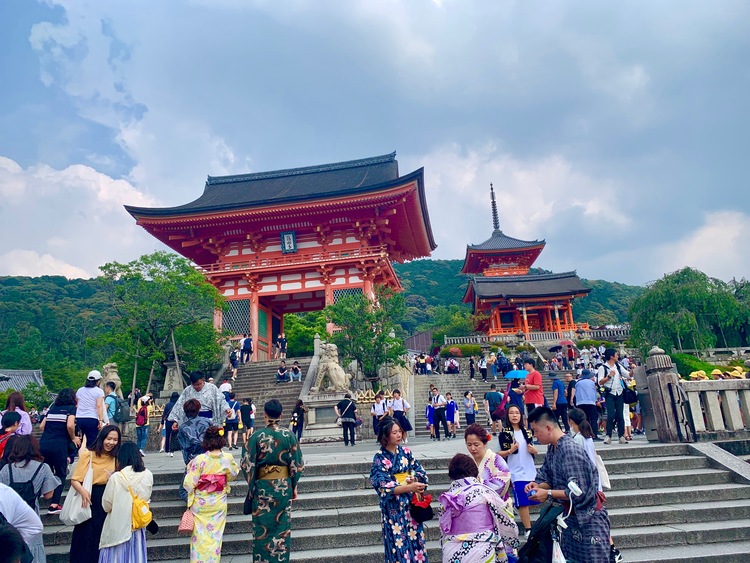
You may wonder—why rent a kimono instead of just watching?
- Immersive Experience: You don't just see the culture, you become part of it.
- Memorable Photos: Kyoto's streets become your personal stage.
- Affordable Luxury: Renting a kimono is far more accessible than purchasing one.
👉 Try it yourself: Kimono Rental in Kyoto.
Step-by-Step: What to Expect in a Kimono Rental
- Choose Your Kimono: Select from various colors, patterns, and styles.
- Professional Dressing: Skilled staff will dress you properly, ensuring comfort.
- Optional Hairstyling: Many shops offer traditional hairstyles to complete the look.
- Walk Through Kyoto: Enjoy temples, tea houses, and gardens in style.
- Return the Kimono: Most rentals are for a day, giving you plenty of time for sightseeing.
Modern Appeal of Traditional Dance and Kimono
While nihon buyō is centuries old, its appeal today is global. Travelers come from all over the world to:
- Learn about Japanese aesthetics.
- Experience slow, mindful movement.
- Capture Instagram-worthy moments in kimono.
In an age of fast-paced living, nihon buyō and the kimono remind us of the power of elegance and tradition.
Conclusion: Kyoto, Dance, and the Kimono
The kimono is more than just clothing. In nihon buyō, it becomes a language of movement, a bridge to Japan's cultural heart.
And in Kyoto, you don't have to be an audience member—you can wear the kimono yourself and walk through history.
👉 Begin your cultural journey today: Kimono Rental in Kyoto.
📸 Suggested Images for the Blog
To avoid copyright issues, search on Freepik, Unsplash, or Pexels for these themes:
- Photo of a woman in kimono performing a traditional dance.
- Close-up of kimono fabric patterns (cherry blossoms, cranes, maple leaves).
- Image of Kyoto streets (Gion, Higashiyama) with people in kimono.
- Stage photo of nihon buyō performance (without copyright restrictions).
- Picture of a geisha or maiko in Kyoto.
- Tourist couple in rental kimono at a Kyoto temple.
- Traditional Japanese dance fan (sensu) used in nihon buyō.