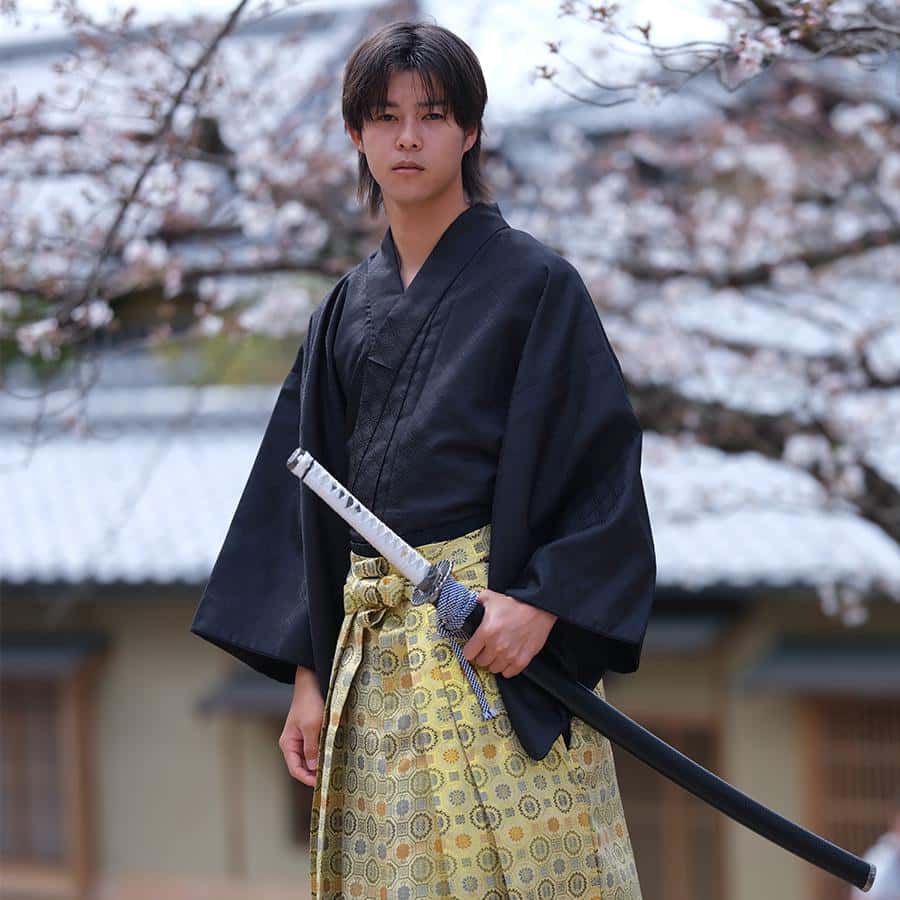
When people think of Kyoto, the image of elegant geisha, tranquil temples, and breathtaking shrines often comes to mind. Yet behind this refined beauty lies a warrior history woven deeply into the cultural fabric of Japan. Among the many symbols of this legacy is the warrior kimono — the ceremonial attire of the samurai.
In this article, we will explore the history, symbolism, and modern experience of warrior kimonos in Kyoto, while showing you how you can connect with this tradition through kimono rental services in Kyoto such as Mimosa Kimono Rental.
1. The Historical Role of Samurai in Kyoto
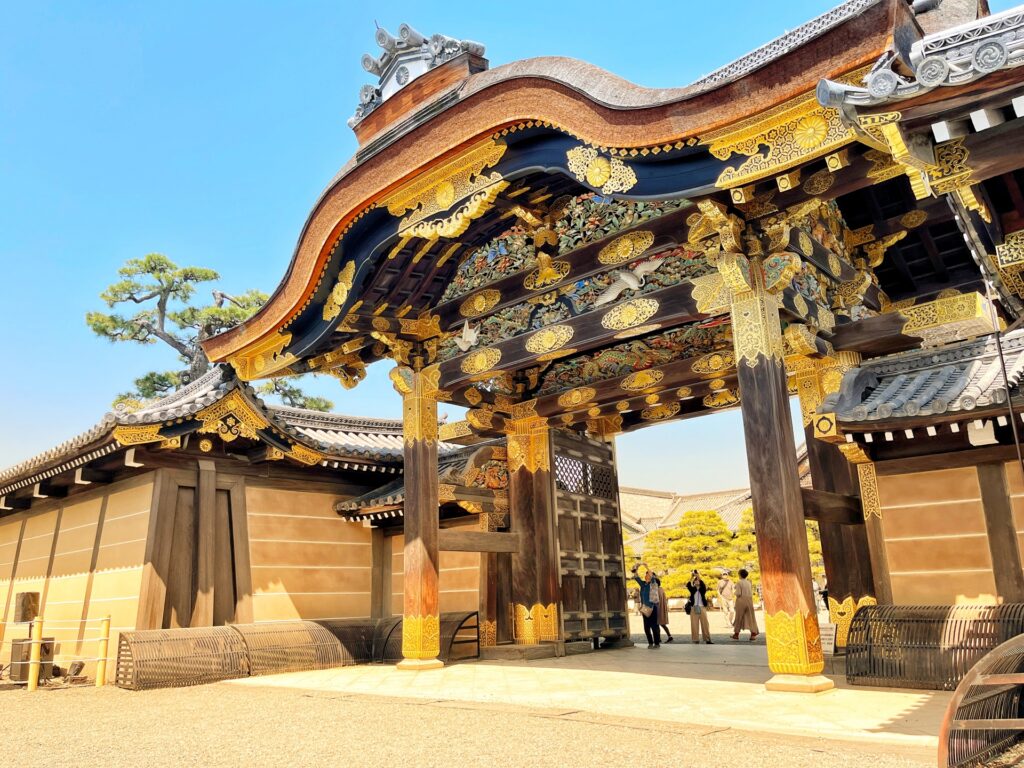
Kyoto, once the imperial capital of Japan, was also the stage for countless samurai stories. The city was not only home to the imperial court but also the setting of battles, political intrigue, and shifting alliances. Samurai warriors walked the streets near Nijo Castle, served powerful daimyō, and upheld strict codes of honor.
For these warriors, clothing was never just fabric. It was status, identity, and honor stitched into silk.
2. What Is a Warrior Kimono?
A warrior kimono (often referred to as "kamishimo" when worn with formal shoulder extensions) was not everyday wear. It was ceremonial attire that expressed dignity, martial strength, and loyalty to a clan.
Unlike the casual cotton yukata you may see at summer festivals, warrior kimonos were:
- Made from fine silk.
- Decorated with family crests ("mon").
- Structured to command respect during court appearances, rituals, or formal gatherings.
3. Materials, Colors, and Symbolism
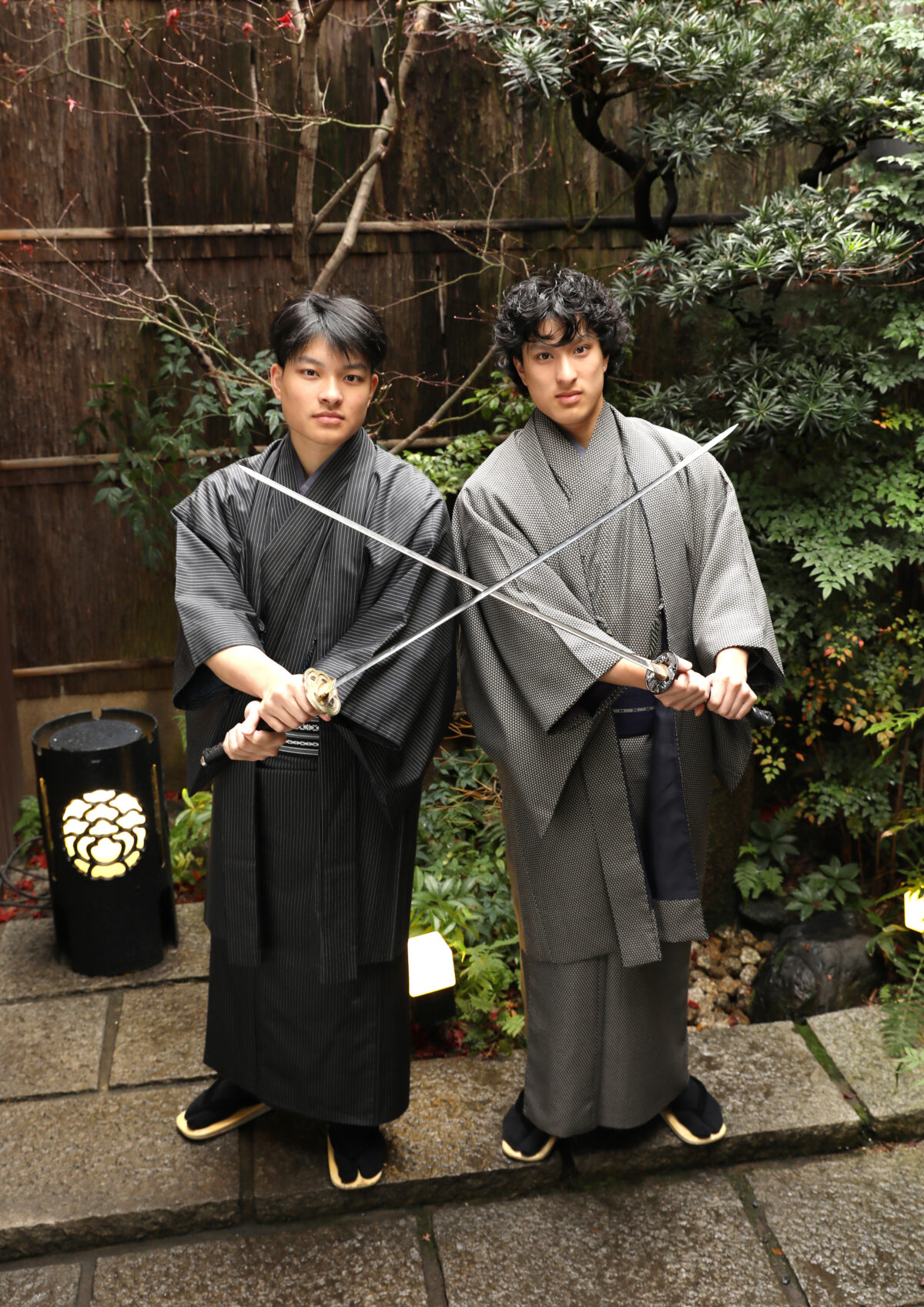
Every detail in a samurai's kimono had meaning:
Colors:
- Black signified formality and authority.
- Deep blue represented loyalty.
- Red was linked to courage and battle spirit.
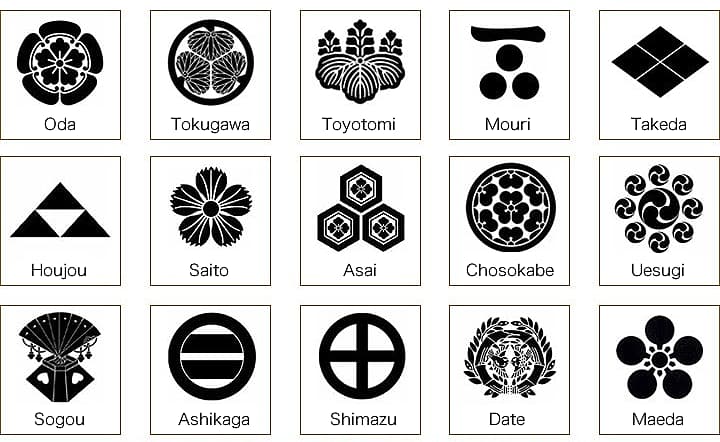
Crests (Kamon): These clan symbols were embroidered or dyed into the fabric, marking allegiance and heritage.
Materials: Silk was favored for its elegance and prestige, even if armor would later cover it.
The kimono was as much about social power as it was about beauty.
4. Warrior Kimono vs. Everyday Kimono
The difference between a warrior kimono and a common kimono lies in function:
Everyday Kimono: worn by townspeople, farmers, and artisans, often in cotton or hemp.
Warrior Kimono: reserved for ceremonies, not for battlefield combat, though warriors often wore them under armor.
This distinction highlights the dual life of samurai: both as warriors and cultured members of society.
5. Ceremonial Uses: Weddings, Rituals, and Court Events

Warrior kimonos appeared during:
- Weddings: symbolizing clan alliances.
- Tea ceremonies: showcasing refinement.
- Court visits in Kyoto: displaying loyalty to the shogun or emperor.
- Funerals and memorials: black kimonos marked solemn respect.
Kyoto, being the cultural and political hub, was where these occasions unfolded with grandeur.
6. Famous Samurai Families and Their Attire

Tokugawa Clan: Known for their black warrior kimonos with triple hollyhock crests.
Oda Nobunaga: A warlord who blended flamboyant attire with ruthless ambition.
Aizu Samurai of Kyoto: Fierce defenders of tradition, their ceremonial dress mirrored their values.
Each family's warrior kimono was a statement of power.
7. Kyoto: The Cultural Capital of Samurai and Kimono Heritage
Why focus on Kyoto and not Tokyo?
Because Kyoto is where the roots of samurai culture and kimono elegance intertwine.
Temples like Kiyomizu-dera, shrines like Yasaka Jinja, and historic districts like Gion all provide a living backdrop where you can imagine samurai in ceremonial attire centuries ago.
8. Experiencing Warrior Kimonos Today in Kyoto

Today, warrior kimonos are not worn by samurai but by visitors who want to touch this legacy. Kimono rental shops in Kyoto offer:
- Traditional warrior-style designs with crests.
- Male and female adaptations for tourists and locals.
- Full dressing assistance so you don't need prior experience.
At Mimosa Kimono Rental, you can step into history and walk Kyoto's streets like a samurai.
9. Why Kimono Rental Is the Best Way to Connect with Samurai Culture
Buying a warrior kimono is expensive and impractical. Renting allows you to:
- Enjoy authentic silk-like fabrics.
- Take professional photos around Kyoto.
- Experience comfort without high costs.
And most importantly, you can live the samurai spirit for a day.
10. Tips for Wearing a Warrior Kimono Respectfully
- Follow staff guidance when dressing.
- Do not treat the kimono like a costume — it represents history.
- Walk slowly and with posture, embodying samurai elegance.
- Pair it with Kyoto backdrops — temples, castles, and gardens enhance the effect.
11. Conclusion: Living Samurai Elegance in Modern Kyoto
The warrior kimono is more than clothing — it is a cultural bridge between past and present. In Kyoto, the city of tradition, you can embrace this legacy not only by learning about it but also by wearing it through kimono rental.
If you want to experience Kyoto like a true samurai, start your journey here: Mimosa Kimono Rental.